Frequently Asked Questions
What are the benefits of professional mold inspections in Southwest Florida?
Professional mold inspections in Southwest Florida offer several key benefits. They provide accurate detection of hidden mold growth, identify moisture sources, and assess potential health risks. Certified inspectors use specialized equipment to thoroughly examine properties, offering peace of mind and expert recommendations for effective remediation if needed.
How do customer reviews impact the reputation of mold remediation companies?
Customer reviews significantly influence mold remediation companies' reputations. Positive feedback builds trust, attracting new clients and reinforcing credibility. Negative reviews can deter potential customers and damage a company's image. Reviews provide insights into service quality, professionalism, and effectiveness, helping consumers make informed decisions when choosing a mold remediation provider.
What should you look for when choosing a mold inspection service in Naples, FL?
When choosing a mold inspection service in Naples, FL, look for certified professionals with experience in Florida's humid climate. Ensure they offer comprehensive inspections, including air and surface sampling. Check for positive customer reviews, transparent pricing, and quick turnaround times for reports. Choose a company that provides clear explanations and remediation recommendations.
Can reviews help in selecting a reliable mold expert in the region?
Reviews can be valuable in choosing a reliable mold expert in your area. They provide insights into past clients' experiences, the company's expertise, professionalism, and effectiveness in mold remediation. Reading multiple reviews helps identify consistent strengths or issues, aiding in making an informed decision for your mold removal needs.
What are the common signs that indicate the need for a mold inspection in a home or business?
Common signs indicating the need for a mold inspection include visible mold growth, musty odors, water damage or leaks, respiratory issues, allergic reactions, condensation on surfaces, peeling wallpaper or paint, and discoloration on walls or ceilings. If you notice any of these signs, it's advisable to consult a professional mold inspector for a thorough assessment.
How do experts in mold detection and removal maintain high service standards?
Mold remediation experts maintain high standards through ongoing training, certification, and adherence to industry best practices. They utilize advanced equipment, follow strict safety protocols, and stay updated on the latest detection and removal techniques. Regular quality control checks, customer feedback, and continuous improvement efforts ensure consistently excellent service in mold remediation projects.
What are the latest techniques used by professionals for mold inspection and remediation?
Professional mold inspectors now utilize advanced thermal imaging cameras, moisture meters, and air sampling devices to detect hidden mold growth. For remediation, HEPA filtration systems, negative air pressure containment, and eco-friendly antimicrobial treatments are commonly employed. DNA analysis of mold samples helps identify specific species for targeted removal strategies.
How often should properties in Southwest Florida undergo professional mold inspections?
Properties in Southwest Florida should undergo professional mold inspections annually due to the region's high humidity and frequent rain. More frequent inspections may be necessary for homes with a history of water damage, poor ventilation, or in flood-prone areas. Regular inspections help prevent extensive mold growth and associated health risks.
What factors contribute to mold growth in homes and businesses in Floridas humid climate?
Florida's humid climate creates ideal conditions for mold growth in homes and businesses. Key factors include high moisture levels, poor ventilation, water leaks or flooding, condensation on surfaces, and organic materials like wood or drywall. Inadequate air conditioning and improper humidity control also contribute to mold proliferation in this warm, damp environment.
How can residents in Naples ensure they are hiring certified mold inspection experts?
Residents in Naples can ensure they hire certified mold inspection experts by checking for proper licensing and credentials, such as IICRC or ACAC certifications. They should also research the company's reputation, read reviews, ask for references, and verify insurance coverage. Choosing experienced professionals with a track record of successful mold remediation in the Naples area is crucial.
What distinguishes a thorough mold inspection?
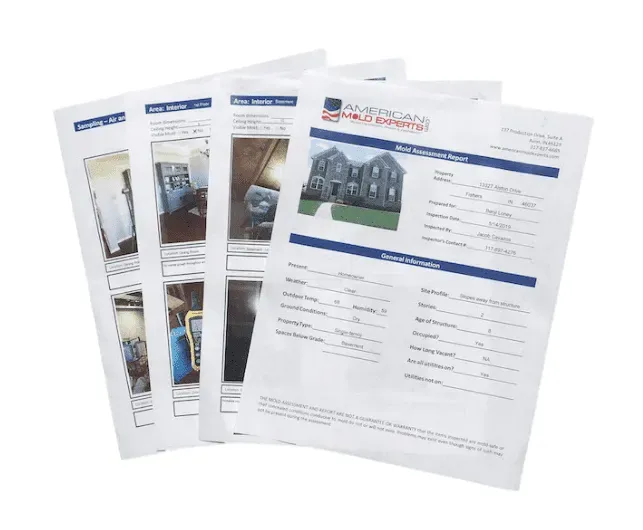
A thorough mold inspection includes visual assessment, moisture measurements, air quality testing, and surface sampling. Inspectors examine hidden areas, use specialized equipment, and collect samples for lab analysis. They provide detailed reports with findings, recommendations, and photographic evidence, ensuring a comprehensive evaluation of potential mold issues in the property.
How critical are timely mold inspections?
Timely mold inspections are crucial for protecting health and property. Prompt detection allows for early intervention, preventing extensive damage and reducing remediation costs. Quick inspections also minimize exposure to potentially harmful mold spores, safeguarding occupants' wellbeing. Delaying inspections can lead to widespread growth and increased health risks.
What credentials do reputable mold inspectors hold?
Reputable mold inspectors typically hold certifications from recognized organizations like the National Association of Mold Professionals (NAMP), Indoor Air Quality Association (IAQA), or American Council for Accredited Certification (ACAC). They may also have state-specific licenses, advanced training in microbiology, and experience in construction or environmental health.
How does mold affect indoor air quality?
Mold can significantly degrade indoor air quality by releasing spores and mycotoxins into the environment. These airborne particles can trigger allergic reactions, respiratory issues, and other health problems in occupants. Mold growth also produces musty odors and may indicate underlying moisture problems that further compromise air quality if left unaddressed.
What steps follow a positive mold test?
After a positive mold test, the key steps include:
Identifying the mold type and extent of contamination
Addressing moisture sources to prevent recurrence
Developing a remediation plan
Containing the affected area
Removing mold-infested materials
Cleaning and disinfecting the space
Conducting post-remediation testing
Are mold inspections disruptive to households?
Mold inspections are typically minimally disruptive to households. Inspectors work efficiently, examining visible areas and using non-invasive tools like moisture meters and thermal cameras. The process usually takes a few hours, and residents can remain present. Some surface sampling may be required, but overall, the inspection causes little inconvenience.
How long does a mold inspection take?
A professional mold inspection typically takes 2-4 hours for an average-sized home. The duration can vary depending on factors like property size, accessibility, and extent of suspected mold growth. Inspectors conduct visual examinations, moisture readings, air sampling, and surface testing to thoroughly assess the situation.
What are the risks of DIY mold removal?
DIY mold removal can be risky, potentially exposing you to harmful spores and mycotoxins. Without proper equipment and expertise, you may spread mold to other areas, fail to address underlying moisture issues, or miss hidden growth. Incomplete removal can lead to recurring problems and ongoing health risks for occupants.
How does mold remediation improve health?
Mold remediation improves health by removing harmful mold spores from indoor environments. This process eliminates allergens and toxins that can cause respiratory issues, allergic reactions, and other health problems. By addressing moisture sources and thoroughly cleaning affected areas, remediation creates a healthier living space with improved air quality.
What is involved in mold remediation?
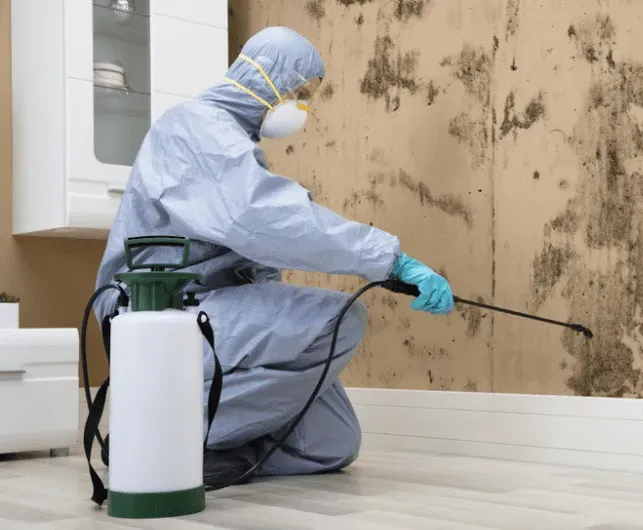
Mold remediation involves identifying and addressing the moisture source, containing the affected area, removing contaminated materials, cleaning and disinfecting surfaces, and implementing preventive measures. Professional remediation services typically include inspection, testing, proper safety protocols, specialized equipment, and thorough cleanup to effectively eliminate mold and prevent its return.
Can mold return after professional remediation?
Mold can potentially return after professional remediation if underlying moisture issues are not fully addressed or if proper preventive measures are not taken. While thorough remediation eliminates existing mold, new growth may occur if humidity levels remain high, water leaks persist, or areas are not properly dried and maintained.
How do professionals prevent mold spread during inspections?
Professional mold inspectors prevent spread by using protective gear, containment barriers, and HEPA air filtration. They follow strict protocols, minimize disturbance of affected areas, and properly dispose of contaminated materials. Thorough cleaning and disinfection of equipment between inspections further reduce cross-contamination risks.
What are signs of hidden mold problems?
Common signs of hidden mold problems include musty odors, unexplained health symptoms like allergies or respiratory issues, water stains or discoloration on walls and ceilings, peeling wallpaper, warped wood, and increased humidity levels. Visible mold growth in less noticeable areas like basements, attics, or behind furniture can also indicate larger hidden issues.
How does mold inspection benefit property value?
Mold inspection can significantly enhance property value by identifying and addressing potential issues early. It provides peace of mind to buyers, potentially increasing selling prices and reducing time on market. Additionally, it helps maintain the property's structural integrity, preventing costly damage and ensuring a healthier living environment for occupants.
What safety measures do mold inspectors use?
Mold inspectors typically use personal protective equipment (PPE) including respirators, gloves, and eye protection. They employ containment measures to prevent cross-contamination and utilize specialized tools like moisture meters and infrared cameras. Proper decontamination procedures are followed after inspections to ensure safety for both inspectors and occupants.
How do climate conditions affect mold growth?
Climate conditions significantly impact mold growth. High humidity, warm temperatures, and poor ventilation create ideal environments for mold to thrive. Moisture from rain, flooding, or condensation provides the water mold needs to grow. Controlling indoor humidity, addressing water leaks promptly, and ensuring proper air circulation can help prevent mold problems in buildings.
What are the costs of mold remediation?
Mold remediation costs typically range from $500 to $6,000, depending on the extent of the problem and affected area size. Factors influencing price include the type of mold, location, necessary repairs, and remediation method. Professional inspection, testing, and thorough cleanup may increase overall expenses but ensure effective mold removal and prevention of future growth.
How do mold inspectors identify mold types?
Mold inspectors identify mold types through visual inspection, air sampling, surface sampling, and laboratory analysis. They examine growth patterns, colors, and textures visually, then collect samples for microscopic examination and culturing. Advanced techniques like DNA analysis may be used for precise identification of mold species in challenging cases.
Can mold inspections detect all mold species?
Mold inspections can detect many common mold species, but not necessarily all of them. Visual inspections, air sampling, and surface testing help identify visible and hidden mold growth. However, some mold types may be difficult to detect or require specialized testing methods. A comprehensive inspection by qualified professionals increases the chances of identifying most mold issues.
What guarantees do mold remediation services offer?
Reputable mold remediation services often offer guarantees on their work, including warranties against mold regrowth, air quality assurances, and satisfaction guarantees. Some may provide follow-up inspections or retesting to verify successful remediation. However, specific guarantees vary by company, so it's important to discuss terms before hiring.